

I've Been Keeping A Secret
Keeping a secret can be a kindness

My best work is behind me. It’s ten years behind me, fifteen probably. It happened in long emails between a writer mentor and me; me desperate to impress, them unflappably unimpressed. It happened on the sides of roads, having pulled my car over to scribble a phrase lest I lose it between there and home. It happened late, late at night when the houses I lived in were finally asleep and I could know my own self apart from who I thought I had to be with them.
It lived in my earnestness for the craft, my desire to make it better and better and better, to turn a phrase in my mouth like a tart summer cherry tomato, knowing it would burst with flavor and then be gone, no longer mine to have and hold to myself.
My best writing happened before well-meaning people a few years ahead of me with far more visibility than me began sharing my work, giving it accolades, in the age of Tweets and humble brags and “my friend” this and “my friend” that (Who were these people calling me friend when they hardly knew me?).
That’s where my best writing lived, and died.

You know those brand new mothers who wear their babies like second skin, wrapped in cotton or linen, hidden from the sticky hands of sniffling toddlers and germy hands of well-meaning strangers? Those mothers know the frailty of the immune system and want to keep them safe for a little while longer.
The immune system strengthens by small exposures, though, but how small or how big or how long or how short? Most of us don’t know, I guess. I guess we just try to do what seems right.
This is how I feel about the writers I know who are doing beautiful work right now.

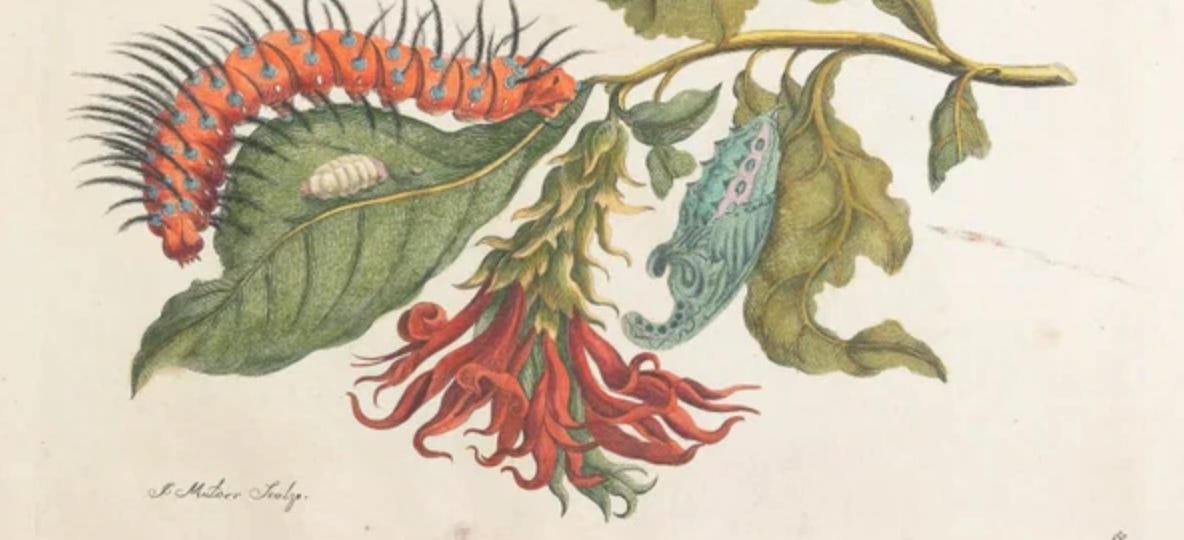
So much of my pain—the pain done to me, the pain I caused others—of the past decade and a half was borne from premature exposure. Being thrust into a spotlight I was not asking for, nor equipped to handle, without the wisdom of maturity or the resilience needed for what would come because of it. I wanted to write and to be read, yes, but I wasn’t yet ready to be read with the virality that came fifteen years ago through the shares of others with a thousand times the visibility of me.
I needed the cocoon of cotton still wrapped around me for a while yet; I needed to let my immune system strengthen; I needed to educate myself about my own loves and lusts, my own fears and failures, about mental health, my own and others, about the theology I listened to and regurgitated but didn’t understand.
I bit off more than I could chew and was then summarily bitten off by others too.
This is what I think about when I read a writer I love these days, usually someone a decade or more behind me in age, usually someone a lifetime ahead of me in wisdom. I want to read their words and love them, admire them from a distance, pretend I don’t know them so they don’t feel the self-consciousness that comes from being perceived or applauded or admired, or—God help them—going viral.
It is not lost on me that the term for instant and sky-rocketing exposure is called viral—all of us know it’s a sickness, one that kills more than it strengthens, we self-confess this every time we name it.
And yet there is something in all of us who wants a taste of it, just once, maybe more, wants the ability to say, “Humbled by the recognition…,” when it is not humility that is being fed, but ego, ego in its most carnal and base form.

My college library was musty and dark, the stacks like caves I would hide myself in, surrounded by all the information known to humans. I read Rilke there, Kierkegaard, Adrienne Rich and Denise Levertov. I read James Joyce and Lewis, and more. But once a month, I would go to the magazine racks and pull down the weekly issue of a religion magazine, read the monthly column of a writer from the midwest, a father and husband who was acquainted with grief in a way I was too, who put words to it in a way I needed. It felt like a secret, though I don’t know why, his words were published there and in the Washington Post and in anthologies and would one day be in books. He wanted to be read, but as a reader, I needed the quietness of his words for myself, unshared to others.
Years later, I listened to his first book on audio while I drove from New York to Texas, leaving behind me everything I’d ever known, hopeful for what lay in front of me, and it remains one of the most healing drives of my life. I will never forget what his words did in me in those hours on the road.
A few years after that, I opened my inbox and saw an email from him to me. I had never emailed him and was surprised to see it there, in black and white, that he read my work and loved it. He read my work and loved it too.
We struck up a friendship from there and still follow one another’s work through the years since. But he never pushed my work into a world that I was not ready for, not then or since. He knew the worst thing that could happen to a good writer was for them to be exposed to the world before they were strong enough. How did he know? He bore his own scars and wounds.
I’ve never forgotten that gift of kindness—the kindness of his restraint—since.
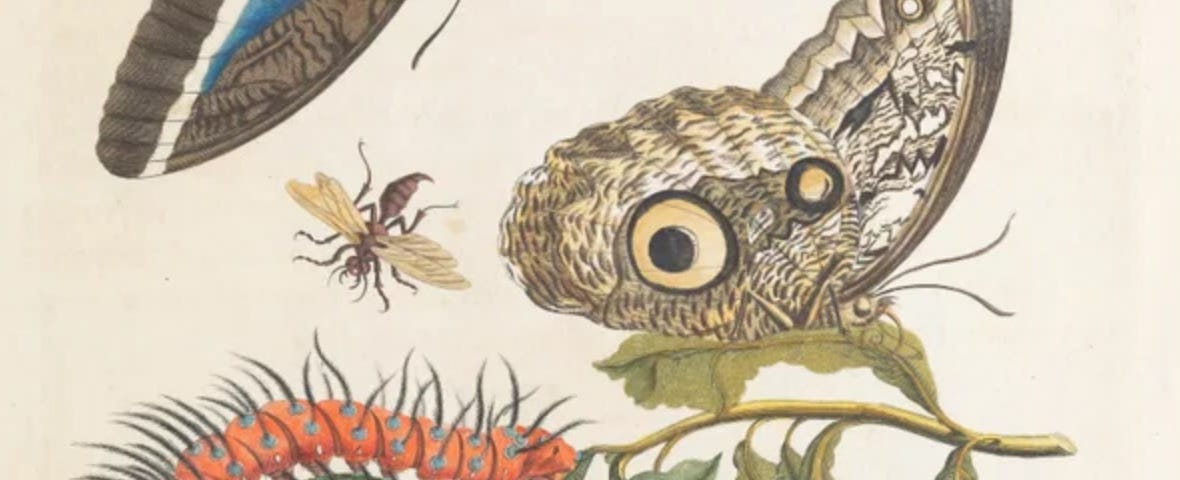

It was a kindness, far more kind than any of the myriad of people with thousands and thousands more followers or readers than me, who thought they were being altruistic (I guess?) by sharing my work with their masses, those who thought I would be a voice for their cause, parrot their pet beliefs (because I would. I was desperate, sadly so.). His quietness was the kindest of them all, and I think about it often.
I think about it when I read a friend from Texas, a young mom I’ve known since she was a teen, someone who puts about as much care into her words as if she was cutting a diamond, finding the note, tasting for flavor in a minestrone soup. I want her to keep writing and do it in obscurity for as long as she possibility can because her words leave me breathless at times and that’s a gift that needs time to come to fullness.
I think about it when I read a writer in Idaho who writes about sourdough and politics and post-evangelicalism. There’s a spareness to her words and also a restraint that could bite her in the butt if she’s not careful, but she is careful and also care-full (to use Peterson’s word) and so I know she treads with intuition and wisdom and she will go far, even if she goes slow.
I think about a friend in Arkansas who makes me laugh out loud more than any other writer on Substack, but within two seconds makes me cry or think or wish or want, and that’s what a good writer should make us do. I want her to be brave and send her words out into the wild, but I also want her to (most of all) pay attention to the words inside her that will tell her when the time is right.

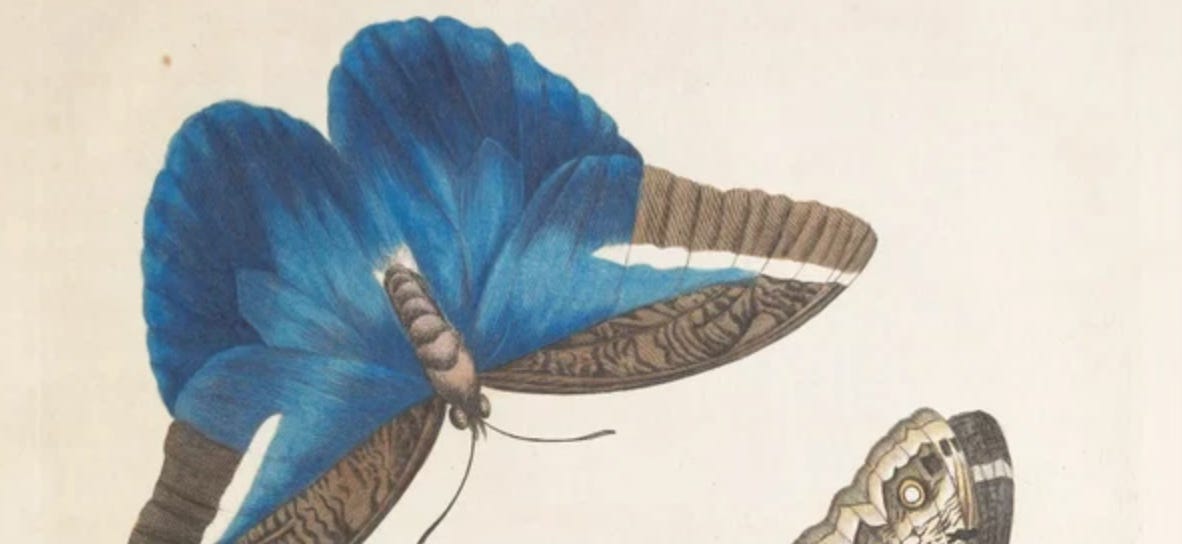
A writer writes for themselves, yes, to know, as O’Connor said, what they think or believe. But a writer also writes for others and it would be foolish for any of us to deny this, we know it’s true.
But there’s a world of difference between a hundred pairs of eyes and a thousand or thousands. And we all think we want the thousands—and there are benefits from it, don’t get me wrong, but the benefits are mostly tangible ones, money, book deals, speaking circuits, influence and connection)—but the damage it does to the work can’t be encapsulated.
It’s a small and slow trickle, a drain on the creative self. Very few people can handle it and continue doing good and beautiful work, and even those people will say there was something magical in those early days that they wish they could get back.
Someone might call me stingy, for not sharing more widely the work of certain writers who really have what it takes. Someone might say, “Fine for you to say that, you already have had the book deals and readers.” Someone might say I’m shooting myself in the foot or shooting the gems among us in the foot, letting the slop take over.
I don’t know. I only know this: I’m paying attention to my own intuition in a way I never did a decade and a half ago. I’m listening to myself. I’m still turning phrases over and over in my mouth, but happier to kill those darlings than ever before if they don’t seem like they’ll serve the reader or me. I’m keeping my eyes on some younger writers, the ones with gifts that far surpass mine, but who still need time to learn and grow and fail and flail—just like I still do too. Work that happens whether we’re viewed or not, but happens in safer, quieter ways when it’s not prematurely exposed.
Maybe I’ll change my mind tomorrow and share the words I read this morning from a slow and care-full writer, but today, I’m going to keep their secret for a little while longer, let them marinate and grow, become resilient and strong in their cocoon, until the time is ready.
Because nothing will stop them then.
It’s in their nature to fly.
If you’re reading this in email (which 98% of you do!), consider pressing the heart (♡) at the bottom or top of this email. It helps my work get more eyeballs on it, which is nice for me and kind of you!
This was beautiful 👏
How beautiful… and full of grace… a gift to you and those around you…thank you…