

Re-Membering The Fractured Self
I used to be a happy person

A friend texts last night, asks if I remember an event. My heart palpitates and jumps to my throat. I remember everything. I remember the night it happened, the weeks around it, the immediate aftermath of it, the weeks after it, the years where I was so terrified of my own life, I couldn’t move to the right or left.
I remember everything.
Mostly what I remember, though, is the before and after of it all.
There will be mountains in life and molehills, valleys and storms, and those who opine about how we navigate them all, but nothing really prepares you for the sinkholes, the unseen caverns that swallow you whole, leave you hanging, suffocate you into nothingness and darkness. Nothing prepares you for the way you will spend years groping in the dark to recalibrate and remember who you are and that if no one is going to pull you out, you have to find it in yourself to pull yourself out. But you’ll never be the same again, that much you should know now. You’ll never be the same again.
“I used to be a happy person,” I told our therapist last week.
“I still think you’re a happy person,” he said back.
“I meant a hopeful person,” and I described what I meant.
“I think you’re being a little harsh on yourself,” he said back.
“Have we met before?” I asked.
He smiled.
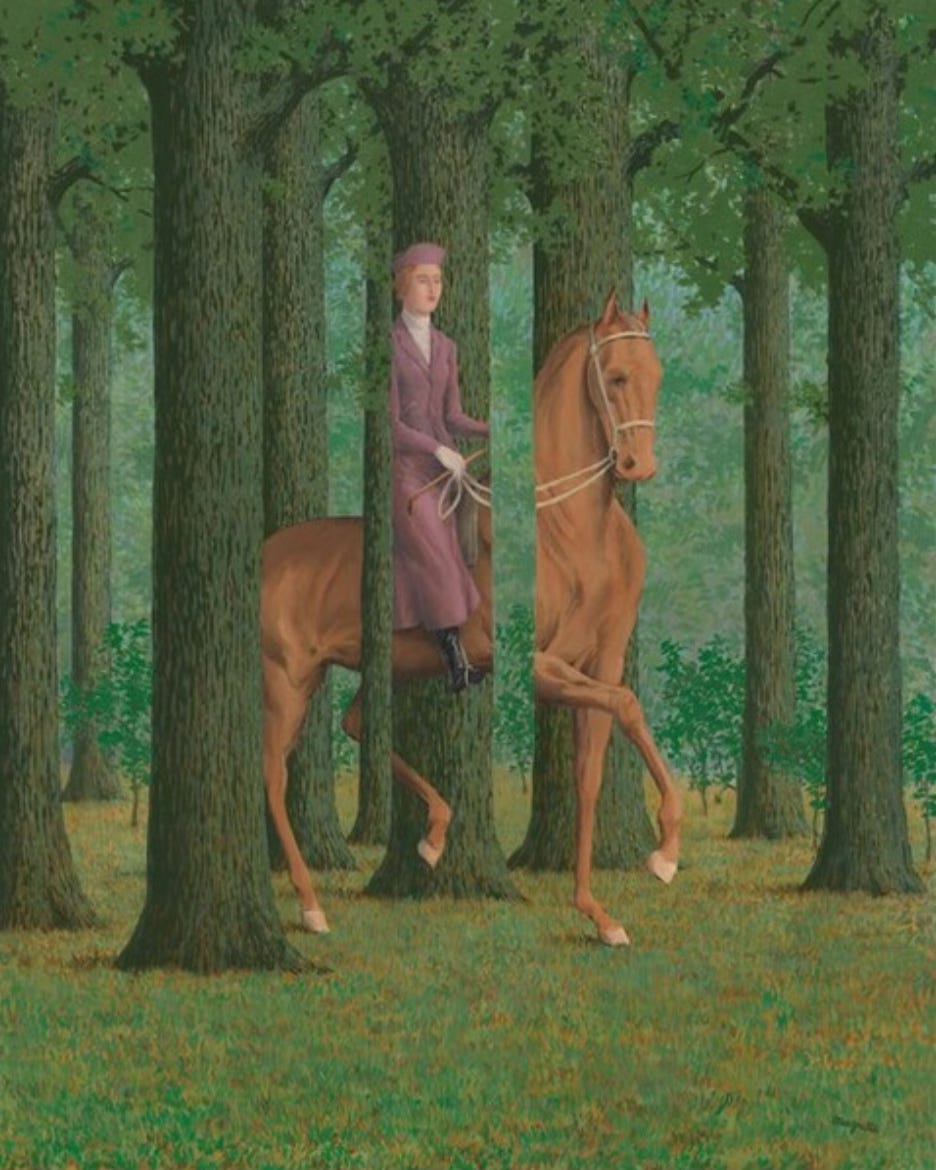

I hate the way trauma changes you. I hate the way it twists you into something you don’t recognize and also the way it twists events into things you don’t recognize either. It took me the better part of a decade to finally pull myself out of the above event, tell myself the truth about what happened (and what definitely didn’t), believe the people who were beside me, living with me, who knew me best, who all along were telling me this is a lie and this is what’s true. It took me even longer to believe it myself.
Last night I lay in bed, my heart still racing, deep breathing, bi-laterally tapping my clavicles, “I am safe. I know the truth. I believe the truth.”

Years ago I read Marion Roach Smith write, “I have told the truth, but not the whole truth. To tell the whole truth is a fool’s errand,” and I memorized it because I knew I would need it.
The loss I feel the most from being traumatized is the loss of truth. It’s not that I can’t or don’t tell the truth. I do, to the best of my ability. But I have lost the ability to believe the truth from anyone except my own gut. I disbelieve friends and family, leaders and pastors, even my own spouse. This, more than anything, is what trauma takes from you. You become hyper-vigilant even of the people who love you most and have earned your trust by being true.
A few days ago Nate and I revisited the conversation we have been spiraling around for more than a decade, almost the entirety of our marriage, an unsettled component that digs itself at our foundation and integrity, a place we cannot meet one another on with complete peace. The root of his part of it is his own work, the root of my part of it is that I lack trust—even though he has never broken it and given me no cause to lose it in him. It spirals out from there.
I have been practicing the past few years, a little more, practicing to believe people, not just what they say, but what they do—and what they don’t do. It is hard. The hardest work of my life probably. I have been practicing keeping doubt in my pocket a little longer, still there, just out of reach unless it’s needed. I have been practicing to let potential relationships linger a little longer before diving in and giving them everything all at once, which had been my pattern and wasn’t a good one. I have been practicing letting the ones closest to me see me wholly, even though it hurts and is hard and doesn’t come naturally.
I have been practicing voicing boundaries sooner, before they’ve been trampled into smithereens and their dead bones begin rise and reassemble and scare away the people who’ve trampled them because they didn’t know they existed in the first place. I have been practicing what it means to say, “This bad thing happened, but it wasn’t all bad, there was also good,” which is perhaps the hardest work of it all.

Healing is remembering but it is also remembering a little less, or a little less potently. It is being able to let go. I’m not there yet—with so many things—but I’m closer than I was yesterday.
If you’re reading this in email (which 98% of you do!), consider pressing the heart (♡) at the bottom or top of this email. It helps my work get more eyeballs on it, which is nice for me and kind of you!

It’s been a long time since I’ve done a Link Love. Life has, as you know, been lifing.
Below there’s some links to words on chronic illness and a book I read and surprisingly (for me!) loved, believing in God, losing a pet, a spiritual practice for those who don’t believe (or those who struggle to believe), a new show we loved, and more. No categories this week because I’ve just not got it all in me these days. Enjoy!